

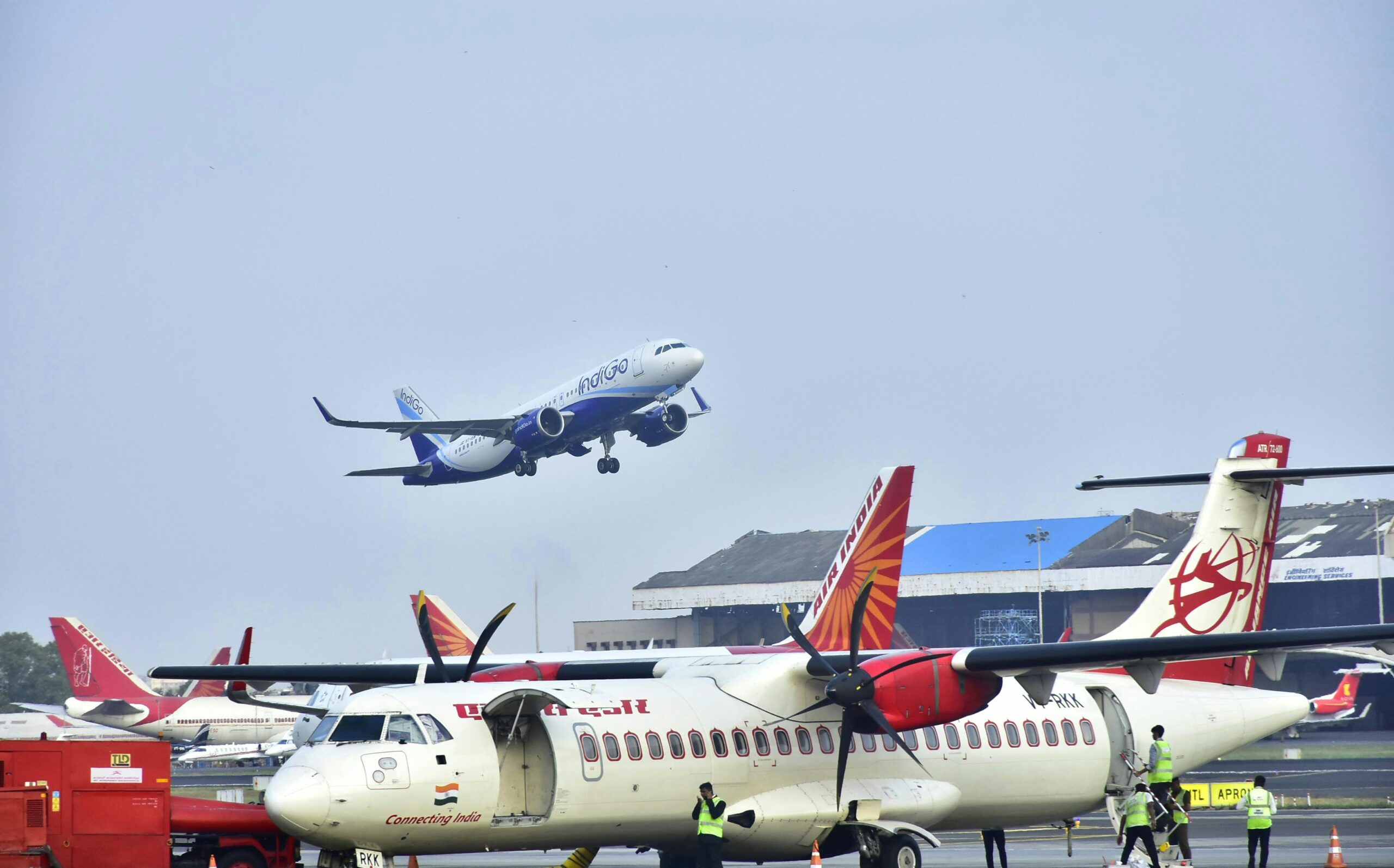

India’s aviation industry has become one of the strongest growth stories in global travel.
Domestic passenger demand has expanded rapidly, airlines have announced ambitious fleet plans, airports are being modernized, and connectivity across the country continues to improve. The sector has increasingly been viewed as a symbol of rising mobility, stronger middle class consumption, and long term economic momentum.
Yet beneath this growth story lies a recurring vulnerability.
Fuel prices.
As oil markets react to instability in West Asia, Indian airlines are once again facing pressure from rising costs. And while passenger demand may remain strong, aviation history has repeatedly shown that growth alone does not guarantee profitability.
For airlines, the real challenge is not only attracting passengers.
It is managing costs in an industry where margins are often thin and volatility can emerge quickly.
Fuel Is One of Aviation’s Biggest Costs
Few industries are as sensitive to fuel prices as aviation.
Aircraft operations depend directly on aviation turbine fuel, making fuel one of the largest operating expenses for carriers worldwide. When oil prices rise, the effect is immediate. Network costs increase, route profitability changes, and financial forecasts become harder to maintain.
For airlines already operating in competitive fare environments, this creates a serious challenge.
Unlike some sectors that can gradually adjust pricing, airlines often compete in real time. Consumers compare fares instantly, and small price differences can influence booking behavior. That means passing higher costs entirely to travelers is rarely simple.
The result is pressure from both sides.
Costs rise quickly, while pricing flexibility remains limited.
Why India Feels the Pressure More Intensely
India’s airline market is one of the most dynamic in the world, but it is also one of the most price sensitive.
Millions of travelers make decisions based on affordability, promotional pricing, and value. This has helped drive rapid market expansion, but it also means airlines must remain cautious when increasing fares.
If ticket prices rise too sharply, demand can soften especially among leisure travelers and budget conscious consumers. If fares remain too low, airlines absorb the pressure through weaker margins.
That creates a difficult operating environment.
Strong passenger growth may look positive from the outside, but if profitability weakens underneath, growth can become harder to sustain.
The Growth vs Profitability Equation
India’s aviation sector is currently in expansion mode.
Airlines are adding aircraft, opening new routes, competing for market share, and positioning for future demand. This is a natural phase for a growing economy with rising mobility needs.
However, expansion requires capital discipline.
Fleet growth, staff hiring, airport charges, maintenance, and financing costs already place pressure on airline balance sheets. When fuel prices surge on top of these commitments, the margin for error narrows significantly.
This is where the aviation model becomes complex.
An airline can carry more passengers than ever before and still face financial strain if costs rise faster than revenue.
That is why growth headlines do not always reflect commercial health.
Why External Shocks Matter So Much
One of aviation’s biggest structural challenges is that many of its most important costs are influenced externally.
Fuel prices depend on global energy markets. Currency fluctuations affect leasing and imported expenses. Geopolitical tensions can alter routes, insurance costs, and planning assumptions.
Airlines may control pricing strategy, operations, and customer experience but they do not control the global environment in which they operate.
This makes resilience critical.
The strongest carriers are often not just those that grow fastest, but those that can absorb shocks without losing strategic momentum.
What Airlines Usually Do in These Moments
When fuel costs rise, airlines typically have several response levers.
They may adjust fares gradually, optimize route networks, improve load factors, reduce inefficient capacity, renegotiate vendor costs, or rely on stronger ancillary revenues such as baggage, seat selection, and premium upgrades.
Some carriers also benefit from scale advantages, stronger balance sheets, or more efficient fleets.
However, no response is painless.
Every cost action can affect competitiveness, customer experience, or future growth positioning.
That is why periods of fuel volatility are often tests of management quality as much as financial strength.
What This Means for Travelers
Passengers may eventually feel the impact indirectly.
Higher fares on selected routes, fewer promotional offers, changes in schedules, or adjustments in capacity are common outcomes when airline cost pressure increases.
Not every route is affected equally. High demand corridors may remain resilient, while more marginal routes may face tighter economics.
For consumers, this is a reminder that airline pricing is influenced by far more than seat availability.
Behind every fare is a complex cost structure shaped by markets far beyond the airport.
The Bigger Lesson for Indian Aviation
India’s aviation future remains strong.
Demand fundamentals, population scale, infrastructure investment, and economic growth continue to support long term expansion. But moments like this highlight an important reality:
Growth markets are not immune to cost shocks.
The success of the next decade will depend not only on adding aircraft or passengers, but on building financially resilient airlines capable of navigating volatility.
That includes stronger cost management, disciplined expansion, modern fleets, and adaptable pricing strategies.
Conclusion
When fuel prices surge, airlines sound the alarm for a reason.
Aviation runs on mobility, but it is sustained by economics. Rising oil prices can quickly pressure margins, complicate growth plans, and test even the strongest operators.
For Indian airlines, the current moment is more than a temporary challenge. It is a reminder that long term success in aviation is not measured only by how many people fly.
It is measured by how well airlines perform when conditions become difficult.
And in this industry, cost discipline often matters just as much as demand.






No Comments