

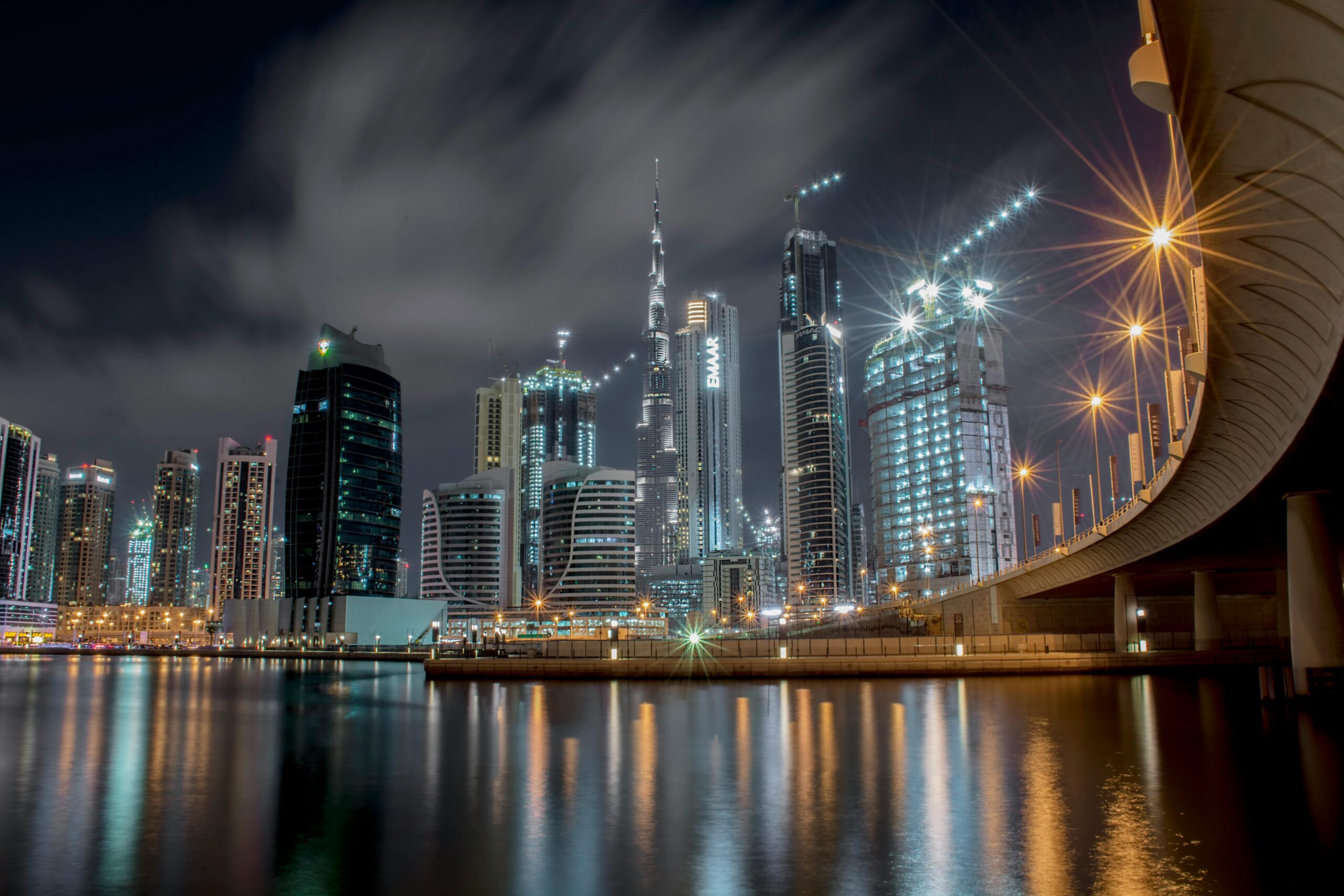

The Middle East has long been a magnet for travelers, drawing millions to the futuristic skylines of Dubai, the ancient wonders of Petra, the cultural richness of the Gulf, and the luxury escapes across the region. In 2025, the area welcomed around 100 million international visitors, contributing hundreds of billions to local economies through tourism. But the sudden escalation of conflict in late February 2026 has shattered that momentum.
On February 28, 2026, the United States and Israel launched a surprise joint military operation—codenamed Operation Epic Fury- against Iran, targeting key leadership, military sites, and infrastructure without prior warning. This included strikes that eliminated high-profile figures and triggered widespread chaos. Iran responded swiftly with retaliatory missile and drone attacks across the region, hitting targets in the UAE, Qatar, Jordan, Israel, and beyond, while effectively disrupting the Strait of Hormuz and closing much of the region’s airspace.
The result? A massive shock to global travel, with the Middle East’s carefully built image as a safe, high-end destination now under severe strain. The conflict’s effects hit tourism hard and fast. Airspace closures across the Gulf and surrounding areas grounded fleets, cancelled tens of thousands of flights, and stranded hundreds of thousands of passengers. Major hubs like Dubai International Airport — the world’s busiest for international traffic — faced paralysis, with ripple effects felt far beyond the region.
Key statistics from early March 2026 paint a stark picture:
| Aspect | Details | Estimated Scale | Notes |
|---|---|---|---|
| Flight Cancellations | Over 30,000–40,000 flights in/out of Middle East grounded | Tens of thousands stranded | Biggest disruption since COVID; hubs like Dubai/Doha crippled |
| Inbound Arrivals Decline | 11–27% year-on-year drop projected for 2026 | 23–38 million fewer visitors | Vs. prior forecasts of 13% growth; includes lingering perception issues |
| Visitor Spending Loss | $34–56 billion potential drop | Regional tourism revenue hit hard | From baseline expectations; Gulf states bear brunt |
| Hotel & Booking Impact | Luxury bookings down sharply; cancellations surge | 35–60% drops in some areas | Stranded tourists, no-go advisories from US/UK/EU governments |
| Security Perception | Sharp falls in Gulf destinations (e.g., Bahrain -81 points, Qatar -55 points on indices) | Demand diverting to Europe/elsewhere | Early signs of travelers shifting to “safer” alternatives like Spain |
These numbers reflect not just immediate chaos, explosions near luxury hotels, and videos of stranded travellers, but also a deeper blow to confidence. The Gulf’s multi-billion-dollar investments in mega-events, eco-resorts, and cultural experiences now face years of recovery challenges.
Looking to the Future: Short-Term Pain, Long-Term Shifts
Projections suggest the downturn could persist even if fighting de-escalates quickly. A brief conflict (1–3 weeks) might limit arrivals drops to around 11%, but prolonged uncertainty could push it toward 27%, erasing post-pandemic gains. Key future factors:
- Perception Lingers: Safety stigma often outlasts ceasefires, deterring families, luxury seekers, and adventure travellers for months or years.
- Economic Ripples: Disrupted energy routes (e.g., Strait of Hormuz issues) raise fuel costs, inflating airfares and cruise prices globally—hitting long-haul routes from places like Delhi to Dubai hardest.
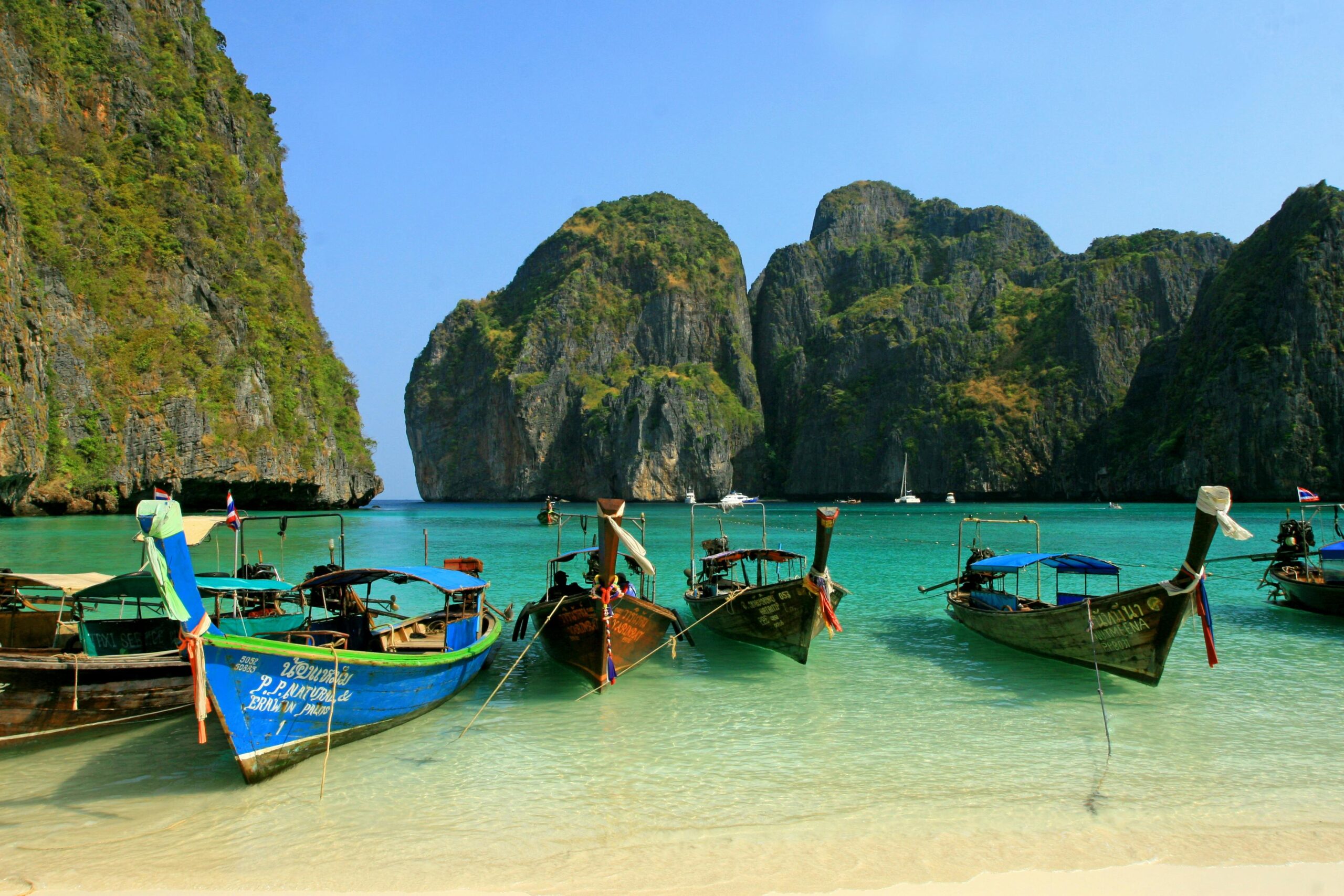
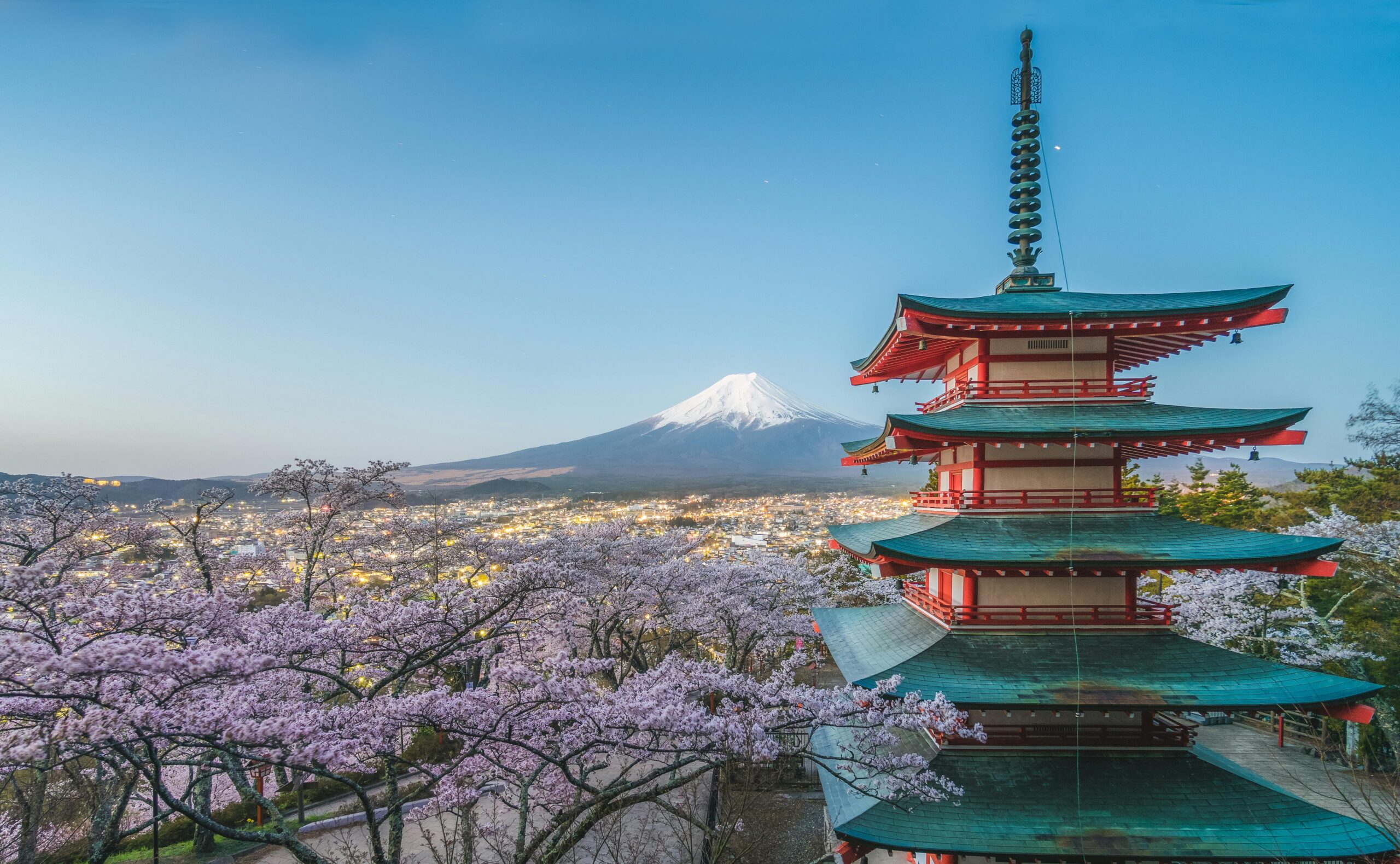
- Demand Diversion: Travelers are already redirecting to Europe, Southeast Asia, or intra-regional spots perceived as stable, potentially boosting alternatives while the Middle East rebuilds.
- Recovery Potential: History shows rebounds, post-past crises, destinations like Egypt and Jordan surged with targeted marketing. By late 2026 or 2027, sustainable, off-grid, and cultural experiences could lead to a “phoenix” revival if stability returns.
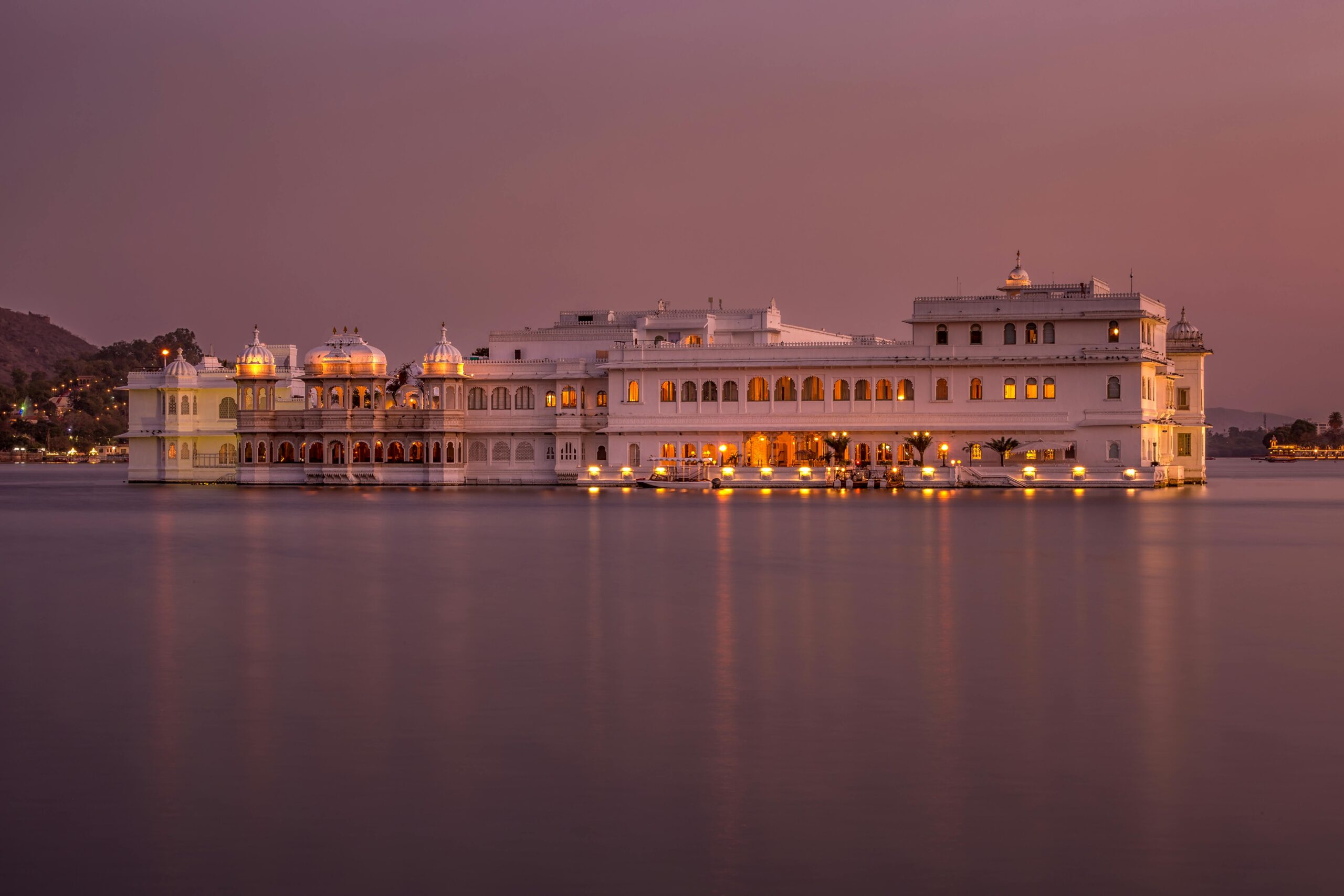
For South Asia, including India, outbound travel to the Gulf has already dipped noticeably, but it creates openings to spotlight local gems as safer alternatives.
The Path Forward: Stories That Endure
This conflict has halted the Middle East’s tourism boom, but it won’t define it forever. As creators, we have the power to capture not just the uncertainty, but the enduring allure of its cultures, landscapes, and people. By focusing on authentic recovery narratives, we can help accelerate the return of wanderers.
What’s your view from the field? Working on Gulf-related content or pivoting shoots? Share in the comments or tag us on instagram @RealityBox.agency For tailored production ideas in shifting times, reach out at hello@realitybox.in.


No Comments