

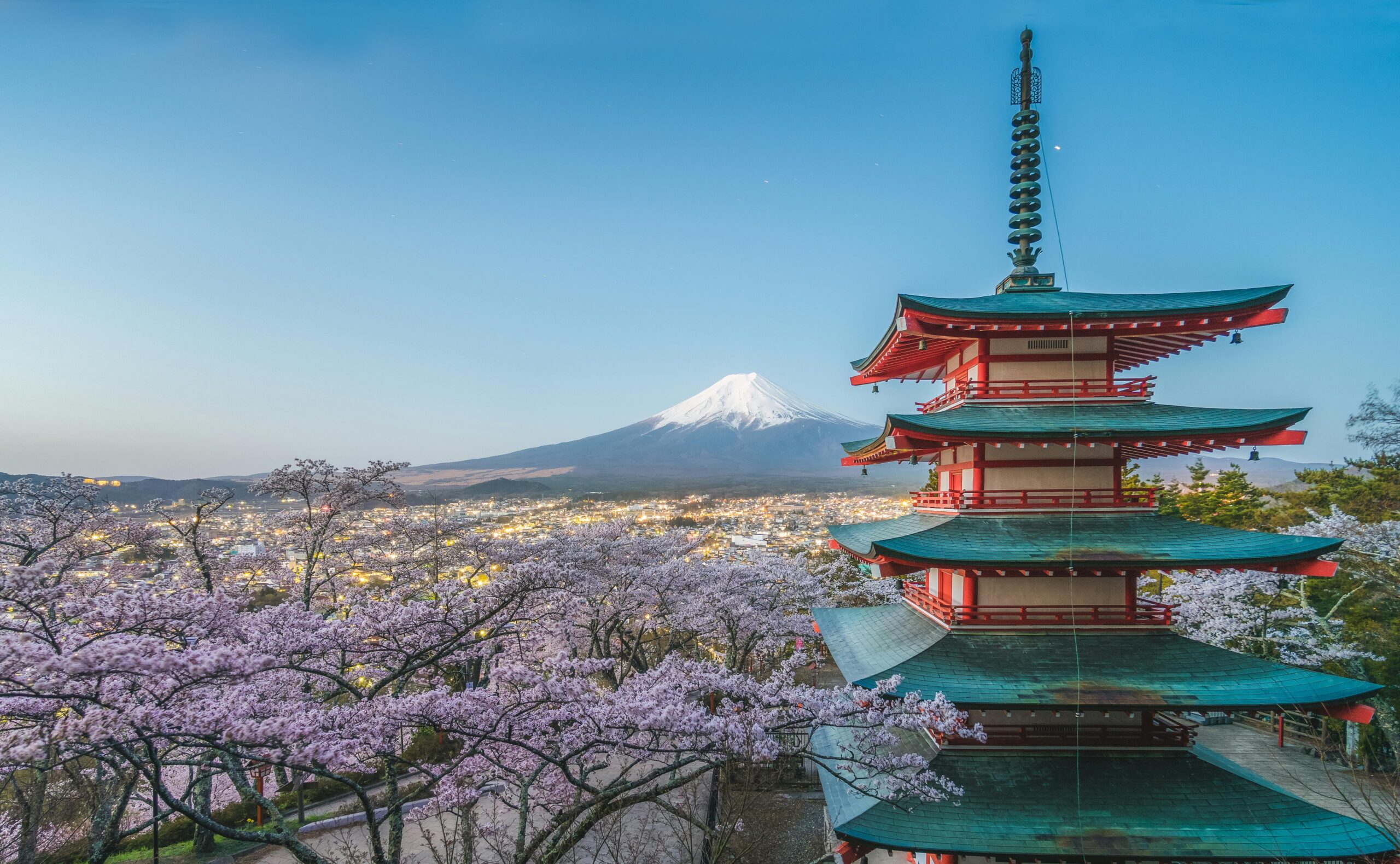

For decades, tourism was treated as one of the world’s most desirable economic engines.
More visitors meant stronger local economies, rising hotel occupancy, expanding airline routes, increased employment, and higher international visibility. Governments invested aggressively in tourism campaigns, cities redesigned themselves around visitor appeal, and destinations competed globally to attract as many travelers as possible.
The tourism model was simple:
Growth was success.
The more people arrived, the healthier the tourism economy appeared.
But over the last few years, that equation has started to break down.
Across some of the world’s most visited destinations, tourism growth has created a new kind of pressure one where the economic benefits of rising visitor numbers are increasingly colliding with infrastructure limitations, environmental strain, overcrowding, and declining quality of life for local communities.
This is the reality of overtourism.
And Japan is becoming one of the clearest examples of how destinations are beginning to rethink the economics behind tourism itself.
Japan’s Two-Tier Pricing Model Is More Than Just a Ticketing Change
Japan’s gradual movement toward two-tier pricing at tourist attractions may initially appear like a simple pricing adjustment.
But in reality, it represents something much larger:
a shift in how destinations think about tourism value, sustainability, and resource management.
The concept behind two-tier pricing is straightforward.
Foreign visitors pay higher entrance fees than local residents at certain attractions, heritage sites, or tourism locations.
Historically, this idea was politically sensitive. Critics argued it could appear discriminatory or damage perceptions of hospitality. Many governments avoided such models because tourism branding relied heavily on openness and accessibility.
However, the conversation is changing.
What was once viewed primarily as a controversial political issue is increasingly being discussed as an economic management strategy.
And Japan’s experience is helping normalize that shift.
The Real Problem Is Not Tourism, It Is Tourism Concentration
One of the biggest misunderstandings around overtourism is the belief that “too many tourists” is the only issue.
In reality, the challenge is often tourism concentration.
A country may have manageable national tourism numbers overall, while specific cities or attractions experience overwhelming pressure because visitor demand is heavily concentrated in a few iconic locations.
Japan illustrates this clearly.
Cities like Kyoto, Tokyo, Osaka, and famous heritage sites attract enormous international attention. Social media visibility, global fascination with Japanese culture, favorable currency conditions, and improved connectivity have intensified visitor flows into already popular areas.
As a result, some destinations face:
- overcrowded public transportation
- rising maintenance costs
- congestion around cultural landmarks
- pressure on local housing and businesses
- environmental wear on historical sites
- frustration among local residents
In these cases, tourism growth stops feeling purely beneficial.
Instead, it begins creating operational stress.
Tourism Is No Longer Only About Growth
For years, tourism policy focused primarily on expansion.
Governments asked:
How do we attract more visitors?
How do we increase tourism spending?
How do we strengthen international arrivals?
Today, many destinations are asking different questions:
How much tourism is sustainable?
How do we preserve visitor experience quality?
How do we protect local communities?
How do we maintain infrastructure under rising demand?
This represents a major philosophical shift within global tourism strategy.
Tourism is no longer being measured only by volume.
It is increasingly being measured by balance.
And that balance requires new tools.
Pricing is becoming one of them.
Why Pricing Has Become a Strategic Tool
Pricing influences behavior.
This is true across every industry, and tourism is no exception.
In heavily visited destinations, pricing can help:
- regulate excessive demand
- generate preservation funding
- improve visitor management
- reduce infrastructure strain
- encourage more sustainable tourism flows
Japan’s two-tier approach reflects this logic.
Instead of simply trying to maximize visitor numbers, destinations can optimize economic return per visitor while also improving operational sustainability.
This changes the role of tourism pricing entirely.
Ticket prices are no longer just transactional.
They become part of broader destination strategy.
The Economics Behind Dual Pricing
From a purely economic perspective, differentiated pricing often emerges when demand becomes exceptionally strong.
Iconic destinations possess pricing power because travelers are willing to pay for access to unique cultural or historical experiences.
In economics, this is closely tied to demand elasticity.
When demand remains high despite price increases, destinations gain the ability to generate higher revenue without necessarily increasing visitor numbers further.
For tourism-heavy locations, this creates several advantages:
- stronger revenue generation
- reduced dependence on volume growth
- better funding for maintenance and preservation
- more flexibility in managing visitor flow
In simple terms:
Higher-value tourism can sometimes become more sustainable than higher-volume tourism.
That idea is becoming increasingly important in global travel policy discussions.
Local Residents Are Becoming Central to Tourism Conversations
Another major reason destinations are reconsidering tourism economics is growing local frustration.
In many overtourism-heavy cities globally, residents have started questioning whether tourism growth truly benefits local quality of life when congestion, overcrowding, rising living costs, and infrastructure strain increase simultaneously.
This creates political pressure.
Governments and tourism authorities must now balance two competing priorities:
- economic benefits from visitors
- livability for residents
Japan’s pricing discussions reflect this broader balancing act.
Charging international tourists more is sometimes positioned not only as an economic tool, but as a fairness mechanism where visitors contribute more directly toward maintaining the destinations they heavily use.
Whether universally accepted or not, this framing is becoming increasingly influential.
Social Media Has Accelerated Overtourism
One of the most important drivers behind modern overtourism is digital visibility.
Platforms like Instagram, TikTok, YouTube, and travel content ecosystems have dramatically intensified concentration around specific locations.
Places once considered niche or regionally known can suddenly experience massive visitor surges after going viral online.
Tourism demand now moves faster than infrastructure adaptation.
Destinations often struggle to prepare for rapid spikes in global attention.
This creates an environment where tourism management becomes reactive instead of strategic.
Two-tier pricing, timed entry systems, reservation caps, and sustainability fees are increasingly emerging as responses to this new digital tourism reality.
The Shift From Accessibility to Sustainability
For decades, the global tourism industry focused heavily on accessibility.
Cheaper flights, simplified booking systems, budget travel platforms, and low-cost airlines expanded international travel to millions more people.
This democratization of travel transformed tourism globally.
But it also created scale challenges.
Now, the conversation is slowly shifting from:
“How accessible can travel become?”
to:
“How sustainable can tourism remain?”
This does not mean countries are trying to discourage tourism entirely.
Rather, destinations are recognizing that unlimited growth without management can eventually damage:
- visitor experience
- cultural preservation
- environmental quality
- local resident support
- long-term tourism viability
That realization is reshaping tourism policy worldwide.
Could More Countries Follow Japan’s Approach?
Very likely.
As overtourism pressures grow globally, more destinations may begin exploring:
- dual pricing systems
- sustainability taxes
- tourist caps
- reservation-based access
- dynamic seasonal pricing
- congestion management fees
Especially in:
- heritage cities
- fragile ecosystems
- high-density tourist zones
- culturally sensitive areas
Tourism management is becoming more data-driven and economically strategic.
The objective is no longer simply attracting visitors.
It is managing tourism in a way that remains sustainable over the long term.
The Future Tourist Experience May Change
If these trends continue, the future of tourism may look very different from the past decade.
Travelers may increasingly encounter:
- premium access pricing
- reservation systems
- seasonal visitor restrictions
- differentiated fees
- sustainability-linked tourism charges
This does not necessarily mean travel becomes less open.
But it does mean tourism may become more carefully structured around capacity, preservation, and economic optimization.
In many ways, tourism is evolving from a pure growth industry into a managed resource economy.
Conclusion
Japan’s expansion of two-tier tourism pricing reflects a much deeper transformation happening across the global travel industry.
The rise of overtourism is forcing destinations to reconsider long-standing assumptions about growth, accessibility, and sustainability. What once seemed politically controversial is increasingly becoming economically rational as governments search for ways to balance tourism revenue with infrastructure protection and local quality of life.
The larger shift is clear:
Tourism is no longer just about attracting as many visitors as possible.
It is increasingly about managing tourism intelligently, sustainably, and strategically in a world where global mobility continues to grow faster than destination capacity.
And in that future, pricing may become one of the most powerful tools destinations use to control not only revenue but the entire tourism experience itself.




No Comments