

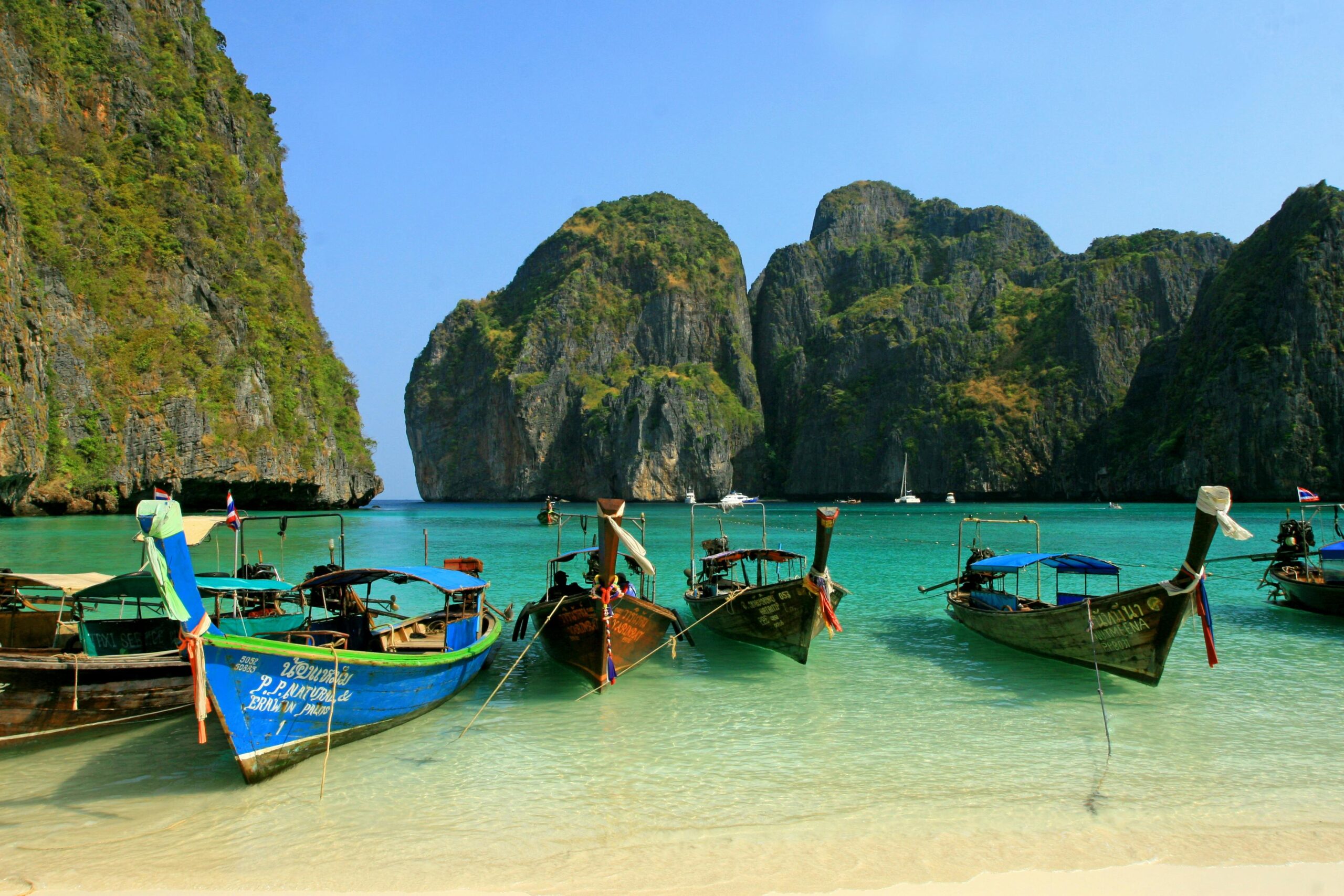

For much of the post-pandemic recovery era, global tourism operated under a single urgent objective: bring international travelers back as quickly as possible.
Countries that depended heavily on tourism revenue faced enormous economic pressure during the collapse of global travel. Airlines lost passengers, hotels struggled with low occupancy, local tourism businesses faced survival challenges, and destinations built around international visitors suddenly experienced economic slowdown at scale.
As borders reopened, governments around the world moved aggressively to restart tourism demand.
Visa-free travel became one of the most effective tools in that recovery strategy.
Simplifying entry requirements reduced friction, improved traveler confidence, accelerated booking decisions, and helped destinations compete more aggressively for returning international tourists.
Thailand emerged as one of the clearest examples of this approach.
The country’s temporary visa-free access for Indian travelers was widely viewed as a major step toward strengthening tourism recovery while deepening its connection with one of the world’s fastest-growing outbound travel markets.
Now, however, Thailand is beginning to move in a different direction.
The decision to end extended 60-day visa-free entry for Indian travelers and return to Visa on Arrival requirements reflects something much larger than a routine immigration adjustment.
It reflects a broader transformation taking place inside the global tourism industry itself.
The era of unrestricted tourism expansion is gradually giving way to an era focused more heavily on tourism management, sustainability, infrastructure control, and strategic mobility planning.
And Thailand’s policy shift may be an early signal of where international tourism is heading next.
Why Countries Opened Borders Aggressively After the Pandemic
To understand why Thailand’s recent decision matters, it is important to understand the environment that shaped global tourism recovery after the pandemic.
The tourism industry experienced one of the largest economic disruptions in modern history during global travel shutdowns.
Entire sectors were affected simultaneously:
- airlines lost operational stability
- hospitality businesses faced occupancy collapse
- airports experienced severe traffic decline
- local tourism economies suffered major revenue losses
- travel-dependent workers faced employment uncertainty
For many countries, restoring tourism became an economic priority rather than simply a travel policy objective.
Governments needed travelers to return quickly.
Visa simplification became one of the fastest ways to stimulate demand.
When travelers face fewer administrative barriers, they are more likely to choose a destination impulsively, especially for short-haul leisure travel.
This became particularly important in Asia, where regional tourism competition intensified after borders reopened.
Countries began competing not only through marketing campaigns and pricing, but also through convenience.
The easier a destination felt, the more attractive it became.
Thailand understood this dynamic clearly.
Why Indian Travelers Became Extremely Important
India’s outbound tourism market has expanded dramatically over the last decade.
Several structural changes contributed to this growth:
- rising middle-class income
- increased international exposure
- stronger passport mobility
- growth of low-cost airlines
- easier digital booking systems
- growing preference for experience-driven spending
International travel is increasingly becoming part of lifestyle consumption for Indian travelers, especially younger demographics.
Thailand benefited enormously from this shift.
The destination offers several advantages highly attractive to Indian tourists:
- short travel duration
- relatively affordable luxury
- strong connectivity from Indian cities
- visa accessibility
- nightlife and leisure appeal
- family tourism infrastructure
- shopping and entertainment ecosystems
For Indian travelers, Thailand became one of the easiest and most accessible international leisure destinations in Asia.
And visa-free access accelerated that momentum further.
Removing paperwork and reducing planning complexity encouraged spontaneous travel behavior. Short vacations became easier to organize. Group travel increased. Repeat tourism became more frequent.
From Thailand’s perspective, this generated strong tourism recovery benefits across airlines, hotels, restaurants, retail businesses, and local tourism operators.
But as visitor demand recovered strongly, a new challenge emerged.
Tourism Recovery Eventually Creates Management Pressure
One of the most important realities in tourism economics is that successful tourism growth eventually creates operational pressure.
When visitor numbers increase rapidly, governments must manage far more than tourism revenue alone.
They must also manage:
- airport congestion
- border processing systems
- infrastructure capacity
- local transportation pressure
- security oversight
- accommodation demand
- public service strain
- crowd management
- long-term sustainability
This is where tourism policy begins evolving.
During weak demand periods, governments prioritize accessibility.
During strong demand periods, governments begin prioritizing management.
Thailand’s recent visa policy adjustment reflects this transition.
The country is not moving away from tourism dependency. Tourism remains deeply connected to Thailand’s economic structure. Indian tourists also continue representing one of the country’s most valuable international visitor segments.
But once tourism stabilizes, governments often begin reassessing how open entry systems should remain over the long term.
That reassessment is happening globally.
Visa Policy Is No Longer Just About Immigration
Historically, visa systems were viewed primarily through security and immigration frameworks.
Today, visa policy is increasingly connected to tourism strategy and economic planning.
Governments now use visa systems to influence:
- tourism flows
- traveler quality
- spending behavior
- length of stay
- seasonal demand
- labor mobility
- digital nomad attraction
- international business activity
This marks a major transformation in how governments think about mobility itself.
Entry systems are no longer passive administrative tools.
They are becoming active economic instruments.
Thailand’s return to Visa on Arrival requirements suggests that governments increasingly want greater control and visibility over tourism movement patterns rather than fully unrestricted access.
That does not necessarily mean tourism restrictions are returning aggressively.
Instead, it suggests that governments want tourism growth to remain more manageable, measurable, and strategically aligned with infrastructure capacity.
The Psychology of Frictionless Travel
One of the most underestimated aspects of tourism policy is psychological convenience.
Travel demand is not driven only by destination appeal.
It is also heavily influenced by how easy the experience feels before departure.
Visa-free access creates psychological spontaneity.
Travelers perceive the destination as low-friction, flexible, and easy to access. This often increases last-minute bookings, shorter holiday planning cycles, and repeat visits.
Even relatively simple procedural changes can slightly reduce that spontaneity.
Visa on Arrival systems remain far easier than traditional visa applications, but they still introduce additional process awareness into the traveler mindset.
That difference matters particularly for:
- younger travelers
- budget-conscious travelers
- impulsive leisure bookings
- short-duration trips
Thailand’s tourism demand from India will likely remain strong because the destination’s structural advantages are significant.
However, the policy change highlights how important administrative convenience has become within modern tourism competitiveness.
Tourism Is Shifting From Expansion to Optimization
For decades, tourism success was measured through volume.
More visitors meant stronger economic performance.
Countries competed aggressively for higher arrival numbers because tourism growth was widely viewed as universally positive.
Today, many governments are beginning to rethink that assumption.
Overtourism concerns, infrastructure pressure, environmental costs, and operational strain are forcing destinations to ask more complicated questions:
- How many tourists can infrastructure sustainably support?
- What kind of tourism creates the highest economic value?
- How should visitor flows be managed?
- Which markets align best with long-term tourism goals?
This is transforming tourism strategy globally.
The objective is no longer only maximizing arrivals.
Increasingly, the objective is optimizing tourism outcomes.
That includes balancing:
- visitor numbers
- spending quality
- sustainability
- infrastructure pressure
- local economic benefit
- operational control
Thailand’s policy adjustment fits directly into this broader transition.
Asian Tourism Is Entering a More Competitive Era
Another important factor behind changing tourism policy is rising competition across Asia itself.
Countries throughout the region are aggressively competing for outbound Indian travelers.
Destinations including:
- Vietnam
- Indonesia
- Malaysia
- Singapore
- UAE
- Sri Lanka
- Japan
are all strengthening tourism strategies aimed at Indian consumers.
This competition creates constant pressure around pricing, connectivity, visa convenience, and traveler experience quality.
Thailand’s policy changes therefore become strategically significant because they affect competitive positioning within one of the world’s most valuable outbound tourism markets.
The future of tourism competitiveness may increasingly depend on how destinations balance accessibility with control.
Too much friction can weaken demand momentum.
Too little control can create operational pressure.
Governments are now attempting to manage both simultaneously.
The Future of International Travel Will Likely Become More Structured
The broader significance of Thailand’s decision extends beyond one destination.
It reflects a larger evolution happening within global mobility systems.
Over the next decade, travelers may increasingly encounter:
- digital travel authorization systems
- dynamic visa policies
- sustainability-linked tourism fees
- biometric border processing
- differentiated visitor programs
- data-driven mobility controls
- selective long-stay incentives
This does not necessarily mean international tourism will become dramatically restrictive.
But it does suggest that governments are becoming far more strategic about how tourism flows are managed.
The era immediately after the pandemic prioritized rapid recovery and maximum accessibility.
The next phase of tourism may prioritize sustainability, operational efficiency, and controlled growth.
Thailand may simply be one of the first major tourism economies visibly transitioning into that new model.
Conclusion
Thailand’s decision to end extended visa-free entry for Indian travelers reflects far more than a procedural travel update.
It signals a broader transformation in how governments are beginning to approach tourism policy after the global recovery boom.
Visa-free systems helped accelerate tourism growth during a period when destinations urgently needed international demand to return. But as tourism stabilizes, governments are increasingly reassessing how accessibility should be balanced against infrastructure management, operational oversight, sustainability, and long-term economic strategy.
In this environment, visa policy becomes more than an immigration process.
It becomes part of tourism economics itself.
The larger reality becoming increasingly clear is this:
The future of global travel may not simply depend on how many people want to move around the world.
It may depend equally on how governments choose to manage that movement.





No Comments