

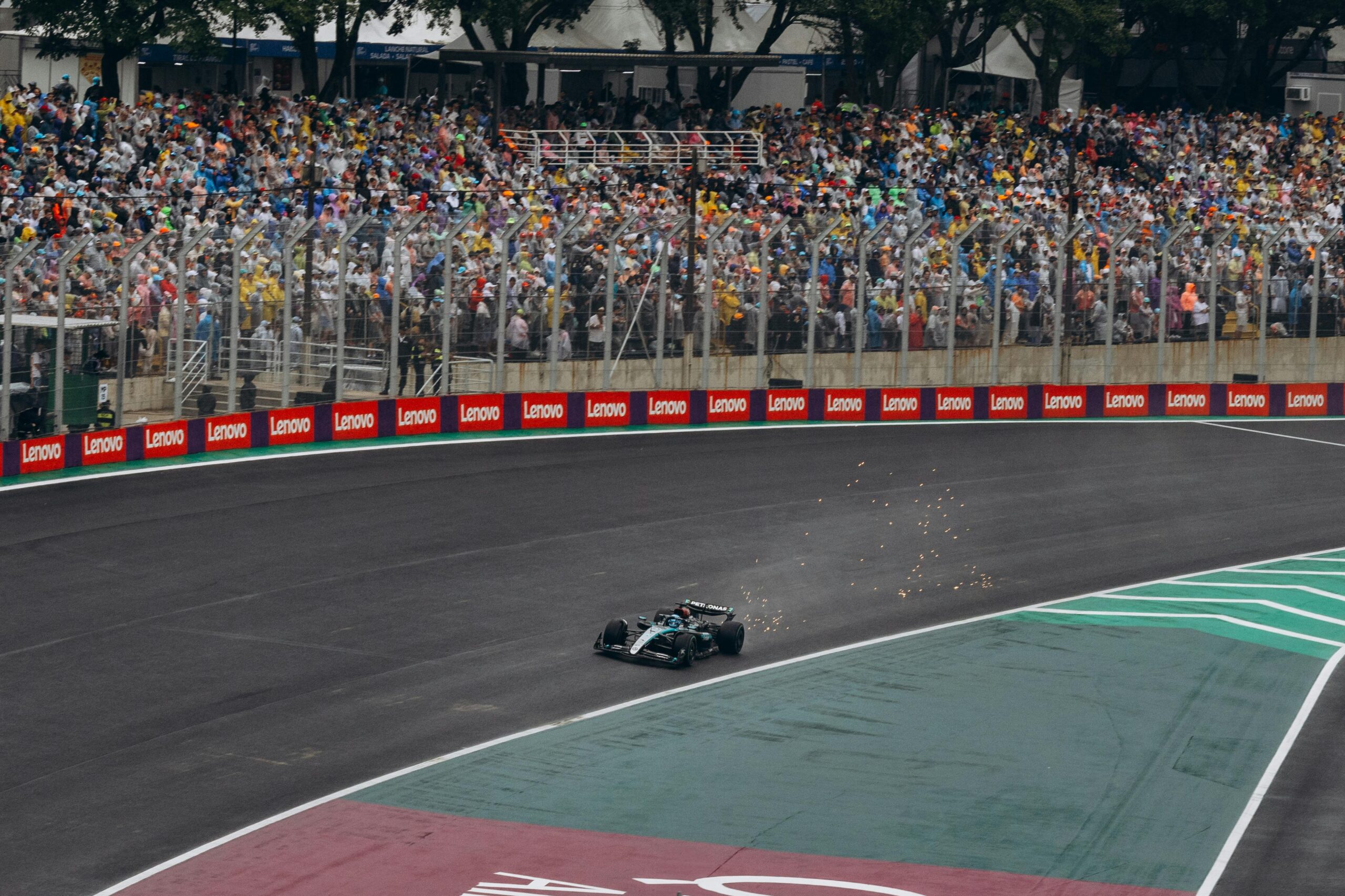

Formula 1 is not just a race. It is a global movement of people, money, and attention. What happens on the track lasts a few hours, but what happens around it transforms entire cities in ways that go far beyond the event itself. From infrastructure pressure to hospitality demand and global media visibility, a race weekend creates an economic and cultural ripple effect that continues long after the final lap is completed. This is what makes Formula 1 far more than a sporting event. it becomes a catalyst for tourism, positioning, and global relevance.
From Sport to Spectacle
Formula 1 has evolved far beyond motorsport. What was once primarily about engineering excellence and competition has now become a large scale live experience that blends sport, entertainment, luxury, and media into a single, highly curated ecosystem. Today, race weekends are designed not just for fans at the circuit, but for a global audience that engages through multiple touchpoints, events, nightlife, brand activations, and digital content. This transformation has turned Formula 1 into a spectacle, where the race itself is only one part of a much larger narrative built around experience and engagement.
Why Cities Compete to Host F1
Hosting a Formula 1 race is expensive, complex, and resource intensive. Yet cities across the world compete aggressively for it. The reason lies in what the event delivers beyond direct revenue. Cities like Miami, Singapore, and Las Vegas are not just hosting a race, they are positioning themselves on a global stage. For a few days, they become the focal point of international attention, attracting media coverage, global audiences, and high value travelers. This level of visibility is difficult to achieve through traditional marketing, making Formula 1 a strategic investment in long term brand positioning rather than just a short term event.
The Tourism Impact
A Formula 1 weekend drives massive visitor inflow, increased hotel occupancy, a surge in local spending, and a significant boost in high value tourism. Unlike regular travel patterns, the audience attracted to Formula 1 tends to be premium, experience driven, and willing to spend across multiple categories including hospitality, dining, retail, and entertainment. This results in a higher economic impact per visitor compared to standard tourism flows. More importantly, it creates a concentrated burst of demand that benefits not just large businesses but the entire local ecosystem, from local vendors to luxury service providers.
Media, Content, and Global Reach
Formula 1 is inherently designed for visibility. Its global broadcast network ensures that races reach millions of viewers across different regions, while digital platforms and social media amplify every moment beyond the track. From behind the scenes content to fan experiences and city visuals, the event generates a continuous stream of shareable media. For host cities, this is not just exposure it is an opportunity to shape perception at a global scale. The way a city is presented during a race weekend can influence how it is viewed long after the event is over, making media presence a critical component of its tourism impact.
Live Tourism at Its Peak
Formula 1 represents a shift in how tourism demand is created. It is no longer just about destinations attracting visitors; it is about events creating reasons to travel. These experiences are time bound, exclusive, and globally relevant, making them far more compelling than passive destination marketing. In this model, the event itself becomes the primary driver, and the destination becomes the stage on which the experience unfolds. This is what defines Formula 1 as a true “tourism engine,” where travel is driven by participation rather than observation.
Economic Ripple Effect Beyond Race Weekend
The impact of Formula 1 does not end when the race concludes. One of its most significant advantages lies in the long term value it creates for host cities. Infrastructure improvements made in preparation for the event continue to benefit the city, while global visibility often leads to increased tourism interest in the months and years that follow. Many visitors who experience a city during a race weekend return later for more relaxed travel, creating a compounding effect that extends the economic benefits far beyond the event itself.
The Role of Brand Collaborations
Formula 1 weekends are not driven by the sport alone they are supported by a powerful ecosystem of global brands. Luxury labels, automotive companies, hospitality groups, and lifestyle brands actively participate through partnerships, pop ups, and curated experiences. These collaborations transform the city into a multi dimensional commercial environment, where brand presence enhances both the experience and the economic output. It creates an ecosystem where entertainment, commerce, and tourism seamlessly intersect.
Infrastructure Pressure and Urban Planning
While the benefits of hosting Formula 1 are substantial, the challenges are equally significant. The sudden surge in visitors places immense pressure on city infrastructure, including transportation systems, security frameworks, and urban planning. Managing traffic, ensuring safety, and maintaining operational efficiency require meticulous planning. However, cities that successfully handle these challenges often emerge stronger, with improved systems and a proven ability to host large scale global events in the future.
The Power of Time Bound Demand
One of the defining characteristics of Formula 1 is its ability to create urgency. Unlike general tourism, which is often flexible, Formula 1 generates a fixed window of high demand. This time bound nature drives rapid bookings, premium pricing, and increased competition among travelers. Businesses benefit from this concentrated demand, optimizing revenue within a short period while also elevating the perceived value of the experience.
A Model Other Industries Are Watching
The success of Formula 1 as a tourism driver has not gone unnoticed. Other industries, including music festivals, global exhibitions, and cultural events, are increasingly adopting similar models. By creating high impact, experience led events, they aim to replicate the same level of demand and engagement. This signals a broader shift where events are becoming central to how tourism is generated, rather than just being a part of it.
The Bigger Shift
The rise of Formula 1 highlights a fundamental transformation in the travel industry. Tourism is no longer driven solely by destinations; it is driven by experiences. Travelers today are seeking moments that feel exclusive, time sensitive, and meaningful. Events like Formula 1 fulfill this demand by offering something that cannot be replicated at any other time or place. Cities that recognize and adapt to this shift are better positioned to compete in an increasingly experience driven global market.
Conclusion
Formula 1 may be built on speed, but its impact on tourism is long lasting. Beyond the race, it drives visibility, shapes perception, and generates sustained demand. It demonstrates that in today’s landscape, attracting travelers is not just about promoting a destination, but about creating a compelling reason to visit. And in an attention driven world, that reason can often be more powerful than the destination itself.


No Comments