



Travel content has never looked better.
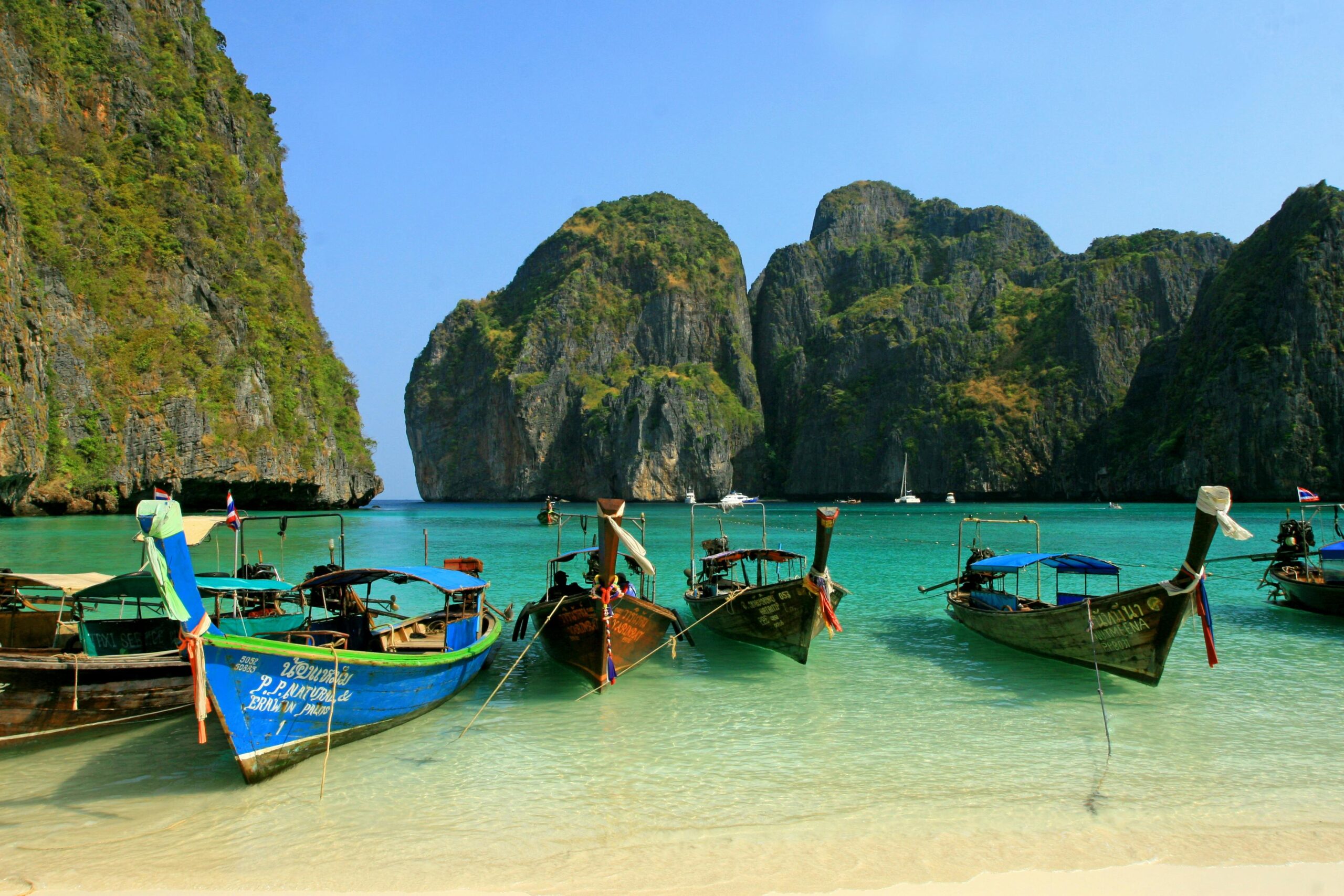
High resolution footage, cinematic edits, and perfectly curated locations have become the standard. Every frame is designed to impress.
And yet, much of it feels forgettable.
Because while visuals have improved, impact has not kept pace.
The Rise of Visual First Travel Content
Over the past few years, travel content has evolved rapidly.
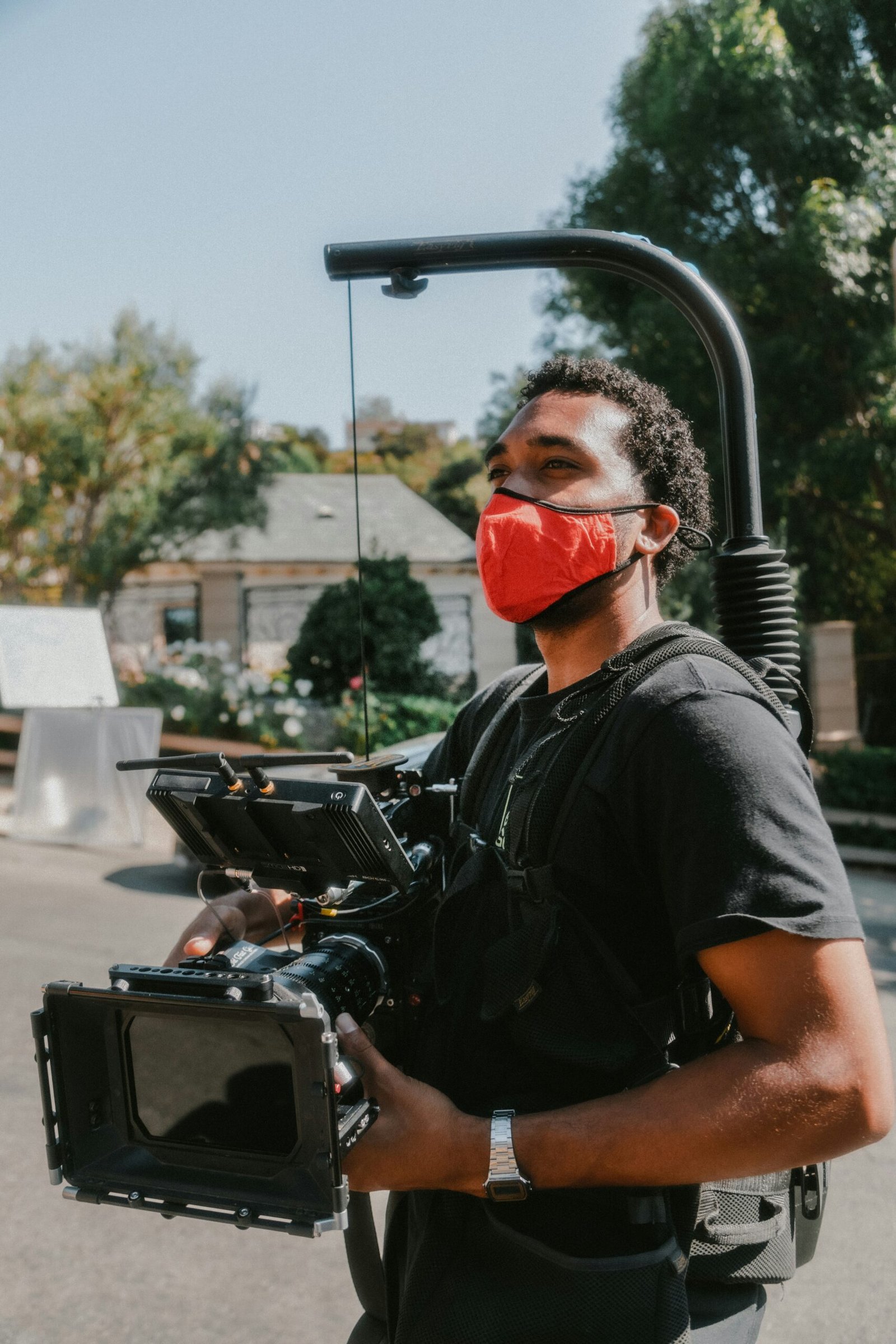
Advancements in cameras, drones, and editing tools have made it easier than ever to create visually stunning content. Destinations are showcased through sweeping aerial shots, slow motion sequences, and carefully color graded frames.
This shift has raised the visual standard across the industry.
But it has also created a new problem.
When everything looks good, very little stands out.
Why Visuals Alone Are Not Enough
Visual appeal captures attention.
But attention is only the beginning.
A viewer may stop scrolling for a beautiful frame, but that doesn’t guarantee they will remember it or act on it.
Because visuals, on their own, do not communicate meaning.
They show what a place looks like.
They don’t explain why it matters.
Without context, emotion, or direction, even the most cinematic content becomes surface level.
Understanding What “Impact” Really Means
Impact is not defined by views or impressions.
It is defined by what stays with the viewer after the content ends.
Does the viewer feel something specific?
Do they remember the place differently?
Are they influenced to take action?
High impact content creates a connection.
It moves beyond passive viewing and creates intent whether that is curiosity, aspiration, or decision making.
The Missing Layer: Intention
The gap between visuals and impact often comes down to one thing: intention.
Most travel content is created to showcase a destination.
Very little is created with a clear purpose.
Without intention:
- There is no narrative guiding the viewer
- There is no perspective shaping the content
- There is no outcome being driven
As a result, the content may look polished but it lacks depth.
From Showcasing to Communicating
To create meaningful impact, travel content needs to evolve.
It needs to move from simply showcasing places to communicating ideas.
This shift involves:
- Defining a clear objective before production
- Building a narrative, even in short form formats
- Aligning visuals with a specific message
- Guiding the viewer toward a takeaway or action
When content is built around communication, visuals become more than aesthetic, they become purposeful.
The Role of Strategy in Modern Travel Content
In today’s content landscape, creative execution alone is no longer enough.
The barrier to creating high quality visuals has dropped significantly.
What differentiates impactful content is strategy.
Understanding the audience, defining the intent, and structuring the narrative accordingly ensures that every visual serves a purpose.
Without strategy, even the best visuals remain disconnected.
Conclusion
Modern travel content does not suffer from a lack of beauty.
It suffers from a lack of purpose.
Because in the end, people don’t remember what they saw.
They remember what it meant.



No Comments