

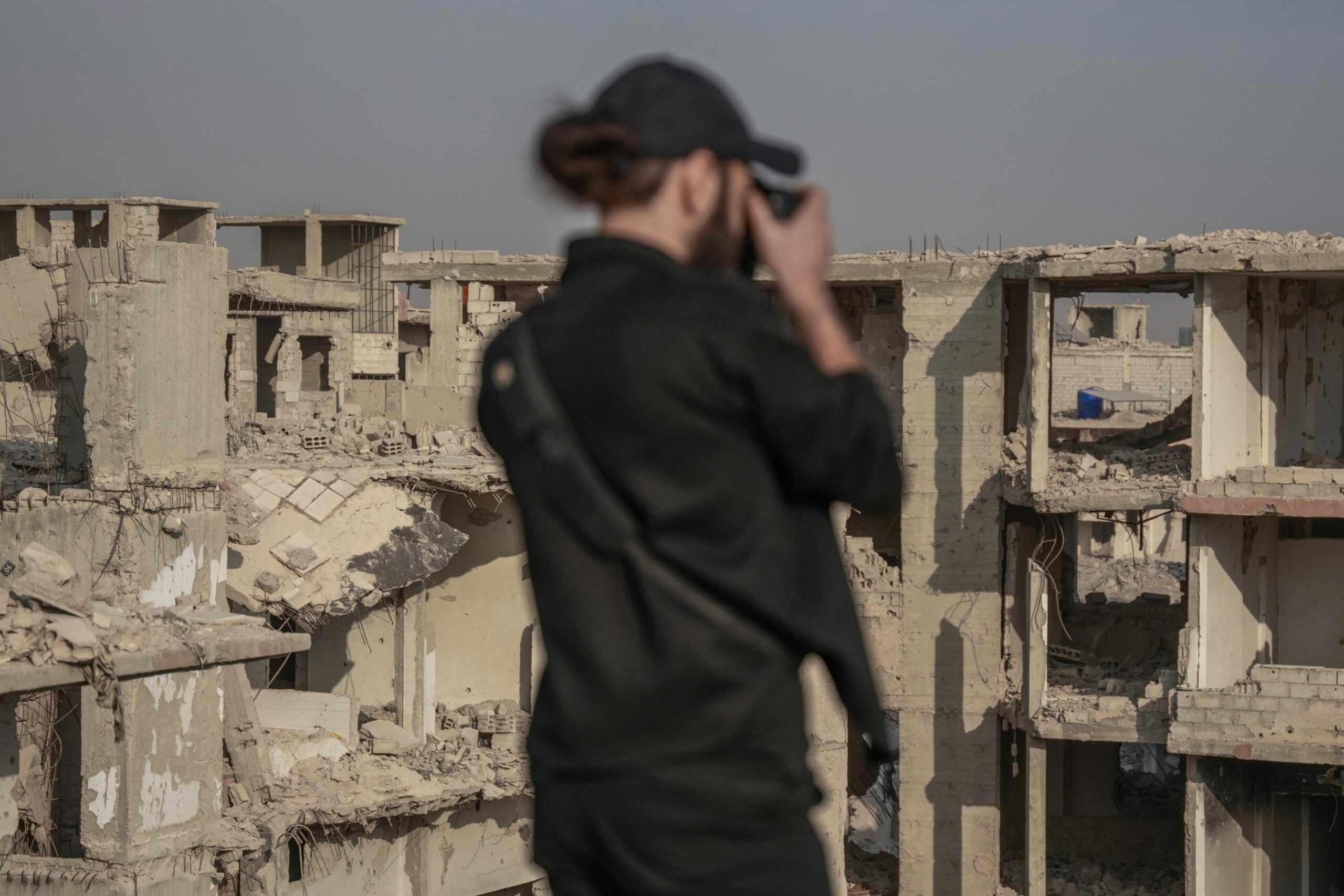

The tourism industry is built on movement, openness, and trust.
But during times of war and geopolitical conflict, these foundations are quickly disrupted.
Travel slows down. Borders tighten. And uncertainty begins to shape decisions.
The Immediate Impact on Travel
When a conflict arises, the first reaction is caution.
Governments issue travel advisories.
Flights get reduced or rerouted.
Tourists cancel or postpone plans.
Even regions far from the conflict often experience a ripple effect.
Because in tourism, perception matters as much as reality.
Economic Consequences for Destinations
Tourism is a major contributor to many economies.
A sudden drop in visitors affects:
- Hotels and hospitality businesses
- Local guides and tour operators
- Transportation services
- Small businesses dependent on tourist spending
For many destinations, especially those heavily reliant on international travel, this disruption leads to significant financial losses.
The Role of Uncertainty
One of the biggest challenges during such crises is unpredictability.
Unlike seasonal changes or economic cycles, geopolitical conflicts create an environment where recovery timelines are unclear.
Travel decisions are delayed not just because of restrictions, but because of hesitation.
People choose stability over exploration.
Shifts in Travel Behavior
War crises don’t just reduce travel, they change how people travel.
- Preference shifts toward safer, familiar destinations
- Domestic tourism often increases
- Long haul travel declines
- Last minute bookings become more common
These shifts force the industry to adapt quickly.
The Path to Recovery
Historically, tourism has shown resilience.
Once stability returns, travel demand gradually recovers. In some cases, there is even a surge driven by delayed plans and renewed confidence.
However, recovery is not automatic.
It requires:
- Clear communication from destinations
- Rebuilding trust among travelers
- Strategic marketing efforts
- Flexible policies from travel providers
Conclusion
War crises remind us how interconnected the world is.
The impact goes beyond borders, affecting industries, economies, and individual livelihoods.
For tourism, the challenge is not just to recover, but to rebuild confidence in a world where uncertainty can change plans overnight.



No Comments