

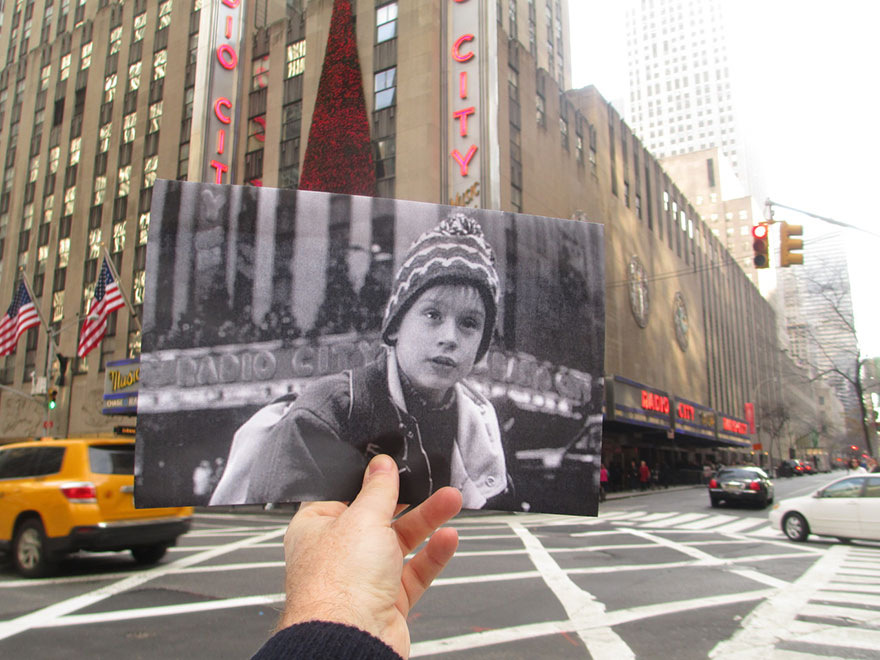

There is a moment in every great film when the setting becomes unforgettable.
A winding road through mountains.
A quiet café in a hidden street.
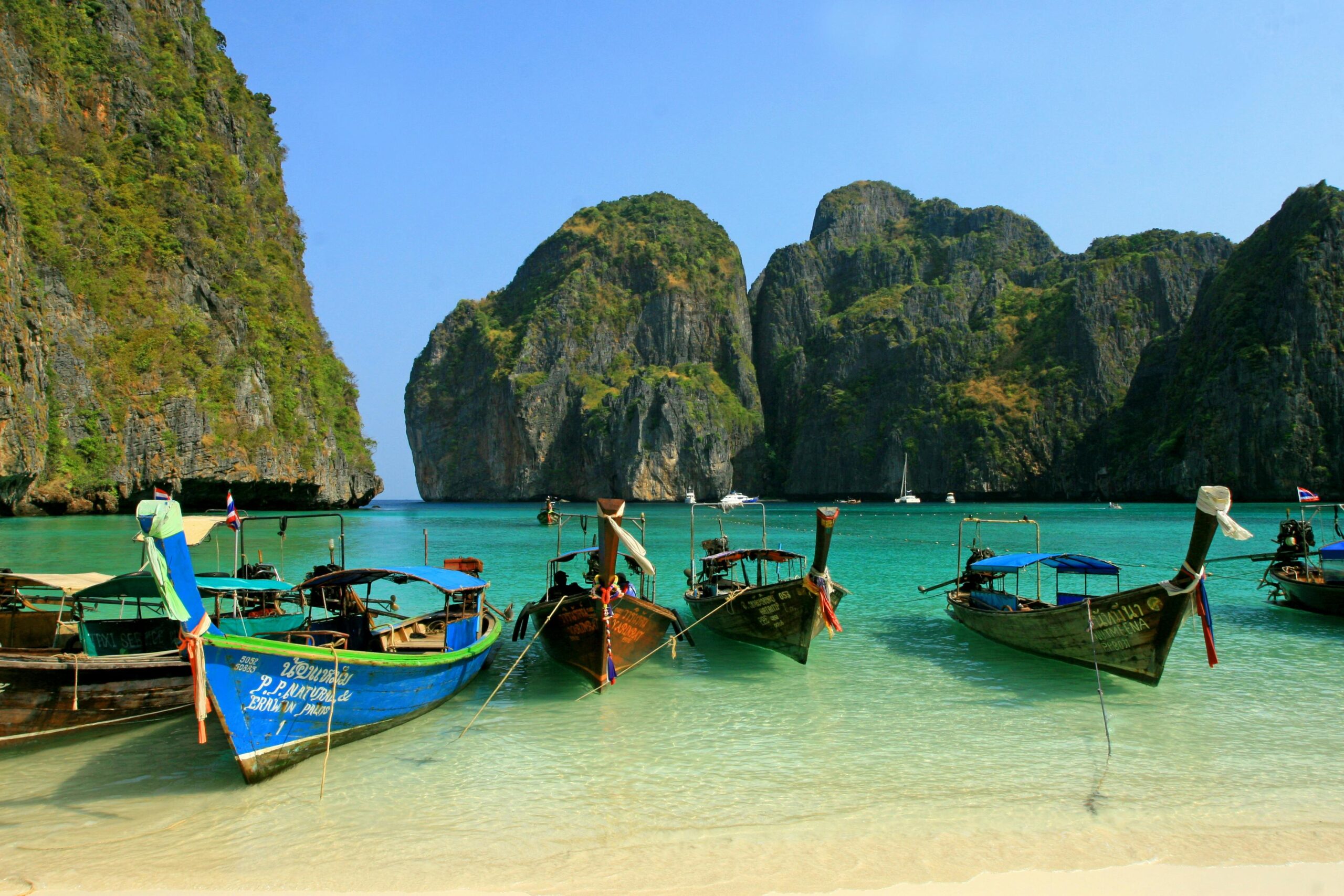
A coastline that feels almost unreal.
Long after the story ends, these places stay with us.
And for many travellers, that feeling turns into something deeper. A desire to experience those locations in real life.
This is the rise of film tourism, where cinema inspires travel decisions in ways traditional marketing never could.
When Stories Turn Into Destinations
Cinema has always had the power to transport audiences.
But today, it does more than that.
It turns locations into emotional landmarks.
After watching films like The Lord of the Rings, travellers began visiting New Zealand to experience Middle-earth in reality.
Similarly, Eat Pray Love influenced travel to Bali, while Zindagi Na Milegi Dobara made road trips across Spain aspirational for Indian travellers.
These are not coincidences.
They are examples of how storytelling transforms places into experiences people want to live.
The Psychology Behind Film Tourism
Travellers don’t just visit movie locations for the visuals.
They visit for the emotion attached to them.
When someone stands in a location they’ve seen on screen, they are not just seeing a place, they are stepping into a memory.
This creates:
- A sense of familiarity
- Emotional connection
- ersonal immersion
It feels less like discovering a new place and more like returning to something already known.
Escaping Into a Story
One of the biggest reasons people travel to movie locations is the desire to be part of the story.
Films allow viewers to temporarily escape reality.
Visiting those locations extends that escape.
Walking through a street seen in a film or standing in a landscape that once existed on screen creates a powerful illusion:
“I am inside the story.”
This is something traditional travel content rarely achieves.
The Power of Visual Memory
Human memory is strongly influenced by visuals tied to emotions.
A location shown in a film is not just remembered for how it looks, but for:
- the scene it belonged to
- the characters involved
- the emotions it carried
This makes film locations far more memorable than standard travel imagery.
It’s not just a mountain.
It’s the mountain where something meaningful happened.
Social Media and the Amplification Effect
Platforms like Instagram and YouTube have amplified film tourism.
Travellers now actively seek out:
- Exact shooting locations
- Recreated scenes
- Iconic frames
Sharing these moments has become part of the experience.
It’s no longer just about visiting a place.
It’s about recreating a cinematic moment.
How Film Tourism Impacts Destinations
Film tourism has a significant impact on local economies.
Destinations featured in films often experience:
- Increased tourist arrivals
- Global recognition
- New tourism opportunities
For example, New Zealand saw a massive tourism boost after The Lord of the Rings.
Similarly, Dubrovnik gained global attention after appearing in Game of Thrones.
These examples show how cinema can reshape the identity of a destination.
From Promotion to Emotion
Traditional tourism marketing focuses on:
- Attractions
- Infrastructure
- Experiences
But films do something different.
They create emotional desire.
Instead of saying:
“Visit this place.”
They make audiences feel:
“I need to be there.”
This subtle shift is what makes film tourism so powerful.
What This Means for Travel Brands
For travel brands and tourism boards, film tourism offers a powerful insight:
People don’t just travel for places.
They travel for stories.
This means future destination marketing needs to move beyond showcasing landscapes and start focusing on:
- Narrative driven content
- Human experiences
- Cinematic storytelling
Destinations that tell stories will always stand out more than those that simply show visuals.
The Future of Film Induced Travel
As content consumption continues to evolve, the connection between cinema and travel will only grow stronger.
With the rise of:
- Streaming platforms
- Global film distribution
- Digital storytelling
More locations will gain visibility, and more travellers will be inspired to explore them.
The future of travel lies at the intersection of storytelling and experience.
Conclusion
Travellers visit movie locations because films do something no brochure or advertisement can achieve.
They create emotional connections.
They turn places into stories. And most importantly, they make people feel like they belong somewhere they have never been.
In a world filled with beautiful destinations, it is stories that give those places meaning.
And that is why film tourism continues to grow.




No Comments